

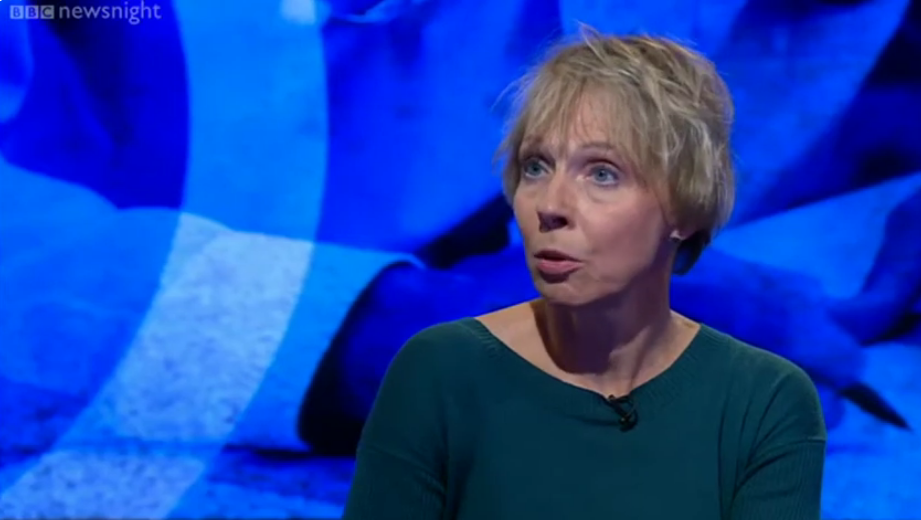
Although Ann Furedi, the former CEO of the British Pregnancy Advisory Service, holds highly objectionable views on the right-to-life, she is notably forthright. Unlike many pro-abortion activists, she presents her arguments openly, rather than engaging in the rhetorical evasions common in abortion advocacy.
Writing this week in Spiked, the popular British online magazine, Furedi takes issue with the widely promoted claim that the ongoing rise in abortions in the UK is solely the result of financial insecurity, housing problems, and the closure of family-planning clinics. 1 in 3 pregnancies in England and Wales now end in abortion.
Furedi points out a key driver in the huge increase in the 2020s “is likely to have been the government’s decision to allow abortion pills to be sent by post during the Covid lockdown – a temporary allowance that the government later made permanent.”
She continues: “The ability to take a pill at home rather than have to attend an in-person clinic appointment has further transformed the perception and experience of abortion. Taking a tablet to cause your own miscarriage is very different to undergoing a procedure in a clinic. Many women found that abortion suddenly became far more acceptable than it had been previously.”
Even though she remains an ardent supporter of abortion, it is refreshing to see Furedi openly acknowledge what is, without doubt, the primary catalyst driving abortion numbers upward in both Ireland and England.
Soon after the outbreak of Covid-19 in 2020, then Minister for Health in Ireland Simon Harris sanctioned telemedicine “at-home” abortions and gave assurances at the time that the measure would remain in place only for the duration of the pandemic. His successor at the Department of Health, Stephen Donnelly, later reneged on that promise and announced that telemedicine abortion would be made permanent.
This decision urgently needs to be reviewed in light of the sharp increase in abortions, as well as the risks telemedicine abortion poses to women’s health and the heightened potential for coercion when no face-to-face consultation with a doctor takes place prior to the abortion.
It is so tragic that there are so many unnecessary abortions now. Most abortions seem to be carried out because the pregnancy may happen at an inconvenient time or the possibility that the baby may not be perfect. What happens if the aborted foetus in later abortions is alive after the procedure. I dread to think. It is shocking what has happened to our values in Ireland
In the USA those babies are left to die. In my research, many women would keep their babies if their partners supported them.
It should be mandatory for all pre abortion mothers to watch the full film. ” the scream”. While I sympathise that some were unwanted pregnancys, if taken to term there are people and agencies more than willing to arrange adoption. Also our world is becoming full of older people like myself and not enough young people to fund them. Is the answer to euthanise the old? Where does it end. Is murder in all its forms OK?
Of course Ms Furedi is right. The terrible truth is that telemedicine is finally giving women the abortion they want, that the current abortion epidemic here in England is the new reality. Until women with unplanned pregnancies feel they won’t be punished for having their babies, this epidemic will continue. One possible glimmer of hope on the horizon is that the plummeting birth rate means society might finally pay for a fair deal for women to have their babies. Why should it be down to pregnant women to pay for the survival of society?