

We have never shied away from criticising RTÉ’s appalling record on the life issue. So when it makes an effort to address even one aspect of it, that deserves recognition. And we welcome it.
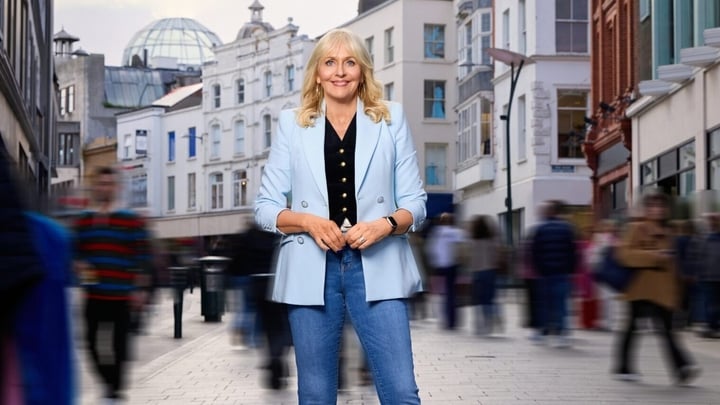
Ireland’s Population Crash, a two-part documentary presented by Miriam O’Callaghan, examined Ireland’s deepening demographic crisis.
Despite population growth driven largely by immigration, births are plummeting. Ireland’s fertility rate fell to just 1.47 in 2024, far below the replacement rate of 2.1 children per woman.
The fallout is already painfully evident. The programme highlighted the impact being felt in schools and sports clubs, as declining enrolments lead to teaching job losses and GAA clubs merging to form underage teams.
The programme explored contributing factors, including soaring housing and childcare costs, work-family pressures, difficulties finding partners and infertility.
O’Callaghan visited South Korea, where fertility rates are among the world’s lowest. There, she met elderly, isolated residents relying on AI robots for companionship and care. It offered a chilling glimpse of Ireland’s possible future unless we radically change course.
Yet despite its merits, Ireland’s Population Crash failed to connect the dots on one crucial issue: abortion.
Across 100 minutes of broadcasting, abortion was entirely overlooked. Time was clearly not the obstacle. Its omission was surely deliberate and cannot be excused in any serious, transparent examination of Ireland’s demographic crisis.
Since abortion was introduced in 2019, rates have soared, with over 65,000 abortions recorded. The actual figure may be higher because of inaccuracies in the notification system.
Before legalisation, voters were told abortion was already happening, merely being “exported” abroad. Yet in 2018, just 2,911 abortions were recorded for Republic of Ireland residents in England and Wales. Compare that with today’s figures.
In 2025, 16.4% of pregnancies ended in abortion. That is one in six pregnancies. Beyond the immense tragedy and loss of life these figures represent, Ireland must confront the long-term consequences of an ageing population and fertility rates far below replacement level.
The simplistic slogans and blinkered ideological rhetoric of 2018 must be left behind. “Safe, legal and free” cannot be used to defend unlimited public funding for abortion while ignoring changing realities and their wider implications.
Since 2019, well over €50 million in public money has funded abortion provision, while not a single cent has been allocated to promoting positive alternatives. Such spending does nothing to address the demographic crisis confronting Ireland.
Any serious response to Ireland’s population crash must include a fundamental shift away from abortion and towards promoting positive alternatives.
O’Callaghan concluded the documentary on a hopeful note, expressing confidence that Ireland would avoid the problems facing countries such as South Korea. But what concrete changes justify that optimism? None were identified.
RTÉ deserves credit for finally examining Ireland’s demographic crisis. That is a welcome development. But acknowledging the problem is not enough, particularly when such a significant part of the picture is ignored.
Without radical policy changes from our political leaders, Ireland faces a deeply uncertain demographic future.
The comforting “and they all lived happily ever after” ending that O’Callaghan appears to envisage is far from guaranteed.
Hope alone will not reverse Ireland’s population crash. Serious action, including confronting the abortion issue, is urgently needed.