


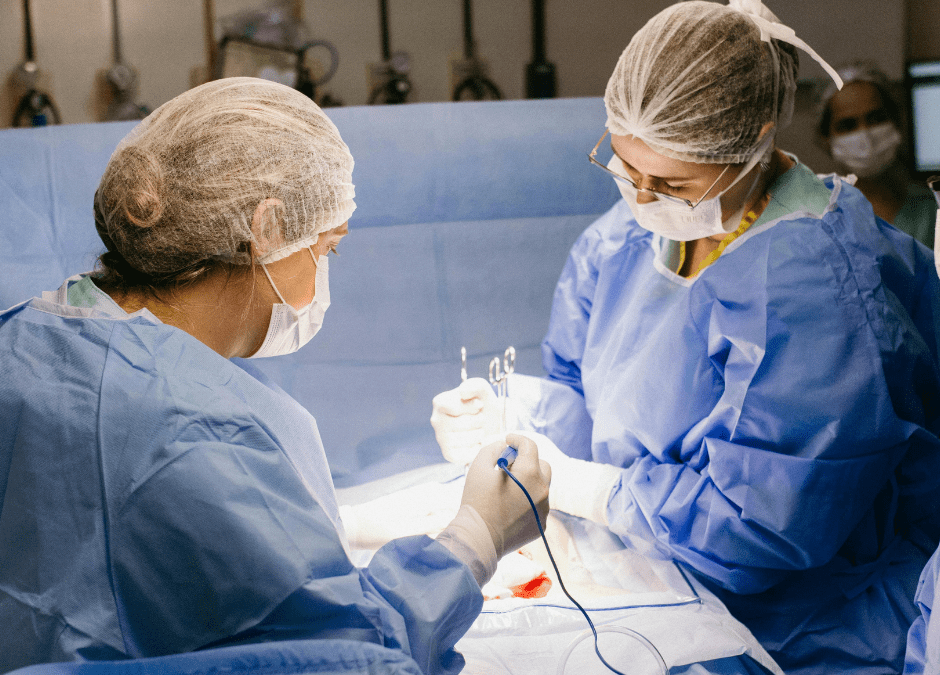
A new peer-reviewed article published by the Charlotte Lozier Institute (CLI) examines three decades of progress in prenatal surgery for babies diagnosed with spina bifida, showing how these advances have improved treatment and dramatically improved quality of life outcomes. The developments also signal a growing scientific recognition of the unborn baby as a patient in their own right.
The article documents the breakthroughs in prenatal surgery and how doctors are delivering effective, life-affirming outcomes for these babies, with survival rates of 95% or higher and improvements in mobility, independence, and overall quality of life as they grow.
Dr Zachary Sluzala, lead author of the article, said: “The advancements we have seen in the prenatal treatment of spina bifida, and its prevention in the first place, are remarkable. What was once a life-threatening condition can now be managed in utero. As a result, we see more affected children living higher-quality lives, walking independently, and even playing sports. Ongoing investigation into innovative approaches using robotic surgery, ethically sourced stem cells, and other tools give us hope that the advancements we’ve seen so far are only the beginning.”
The amazing advances happening in this area deserves much more attention than it currently receives. Might the muted response have something to do with opinion formers not wanting attention drawn to the humanity of the unborn child?
In Ireland, spina bifida occurs in about 1 in every 1,000 births. This translates to roughly 40 babies being born with the condition each year. Ireland has historically had one of the highest incidence rates in the world.