

On Wednesday, the All-Party Oireachtas Life and Dignity Group hosted a very informative briefing on euthanasia and assisted dying, that focussed largely on the Leadbeater bill that’s due to be voted on by MPs in Westminster later today.
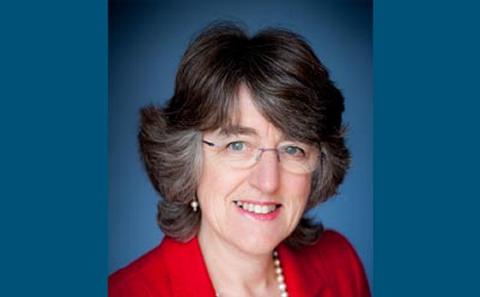
The event in Leinster House which was chaired by Independent Senator Sharon Keogan, featured contributions from Baroness Ilora Finlay of the House of Lords, who as a professor of palliative medicine has spoken and written extensively about the serious problems with the Leadbeater Bill. Leading Irish consultant geriatrician Professor Des O’Neill of Trinity College Dublin also addressed the meeting. Prof O’Neill told the gathering that if we look at other countries where euthanasia and assisted dying have been legalised, it’s “intellectually dishonest and professionally irresponsible” to argue that they can be legislated for and safely regulated. He also highlighted the implied and overt prejudice against people with disabilities that come to the fore under such laws.
The speakers outlined how in Canada, Australia and New Zealand, doctors originally were not allowed to raise the topic of euthanasia as an option with patients, but within a short time this protection was lost. Baroness Finlay warned that if the Leadbeater bill is passed, the UK can expect to become “Canada on steroids” with regard to assisted dying.
Prof O’Neill mentioned how campaigns to legalise euthanasia strongly routinely feature stories of difficult deaths, but asserted that these cases involved inadequate care and are not representativeof the reasons in practice why people seek assisted dying.
The speakers discussed the issues surrounding the Swiss model of Dignitas operating outside the medical system as “death on demand”, and the even greater problems with considering euthanasia as medical treatment. Oireachtas members were informed that many doctors in Quebec were in favour of euthanasia before it became legal but afterwards took a different view and refused to be involved in the practice.
Senator Keogan highlighted the dangers of legal euthanasia for people with eating disorders and the “massive issue” of mental health among young people. She cited one tragic case where a young woman opted for euthanasia in haste while being treated for anorexia.
Minister Marian Harkin, who was also in attendance for the briefing, emphasised the importance of accessing good information on the issue and she thanked the invited guests for making it a “really informative” meeting.
Close attention should be paid by everyone to the vote later today in the House of Commons, and to the battle that lies ahead to ensure that Ireland doesn’t follow countries like Canada, Australia and New Zealand down the road of euthanasia – where life is increasingly treated as disposable and where the most vulnerable members of society are quite literally made to feel like a burden. The tragic realities unfolding in countries that have legalised euthanasia are beyond words.
As a Roman Catholic I believe that life is from conception to natural death and no politician has the right to legalise otherwise.
If people would only realise that what is legal is not always moral!