

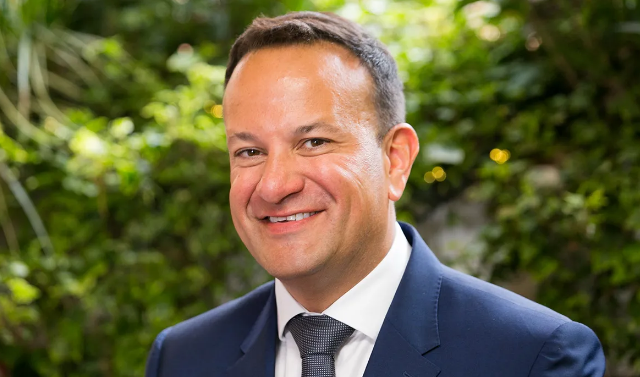
His remarks on the topic, for the most part, resemble a string of rehearsed talking points – inconsistent in logic and values, like someone scrambling to defend what he knows deep down is an indefensible stance to maintain.
One of the more revealing sections on the issue is where he addresses former Tánaiste Simon Coveney’s reservations about the 2018 referendum proposal and how he was subsequently won over.
Suggesting that Varadkar was guided more by political calculus than principle, he says, referring to Coveney: “His support [for the referendum] was crucial, not just because we now presented a united front, but also because he spoke to and for the more socially conservative elements of the party and could reassure them.”
He notes that one factor in winning Coveney’s support was the commitment that before an abortion took place, women would have to have “two consultations with a doctor who would advise them on other options.”
Like lots of other political promises that were made at the time and broken, we know for a fact that women accessing abortion today are not as a matter of course informed about the “other options” or the supports available should they decide to continue the pregnancy. This fact is not something that has recently come to light – it was known when Varadkar and Coveney were still in office and chose to do nothing about it.
Varadkar’s borrowed slogan from the Bill Clinton playbook – wanting abortion to be “safe, legal and rare” – rings very hollow today. Sadly, when Taoiseach, he helped usher in one of the most extreme abortion laws anywhere in the world – a regime that permits late-term abortion, resulting in babies sometimes surviving the procedure, and where no clear protocols exist to ensure these babies are given the medical care they’re entitled to, if there’s any compassion left in us as a country.
One would hope that, in time, the former Taoiseach might reflect more seriously on the part he played in opening the door to such a deeply unjust and inhumane law.
Leo Varadkar also said at one point during the debate before legislation was enacted that he believed the unborn should have some rights. He subsequently presided over legislation that stripped the unborn of the most basic right – the right to life.
Poor Leo.
He seriously needs prayer. As a medical doctor, he knows the truth.
Imagine meeting your Maker and being the instrument of facilitating the unleashing of all that holocaust.
Would you expect anything else from these people? Their values, if they have any, are determined by the headlines of the day.
Leo repent of you terrible sins including the sin of homicide. When you believe on Jesus as your Saviour and Redeemer proclaim the righteousness of God and tell all those people that what you did in government was wrong and terrible act against the unborn.What you prompted Simon Coveny to do was shameful .
It makes you wonder how a medical doctor who studies medicine for the purpose of saving lives could stand up and say abortion was a safe procedure,did he not understand one person had to die and in some cases two ,if I were in government I would strike him of the register
I cannot be a proud Irishman any more, with such a blot overshadowing our national character.
The fight against abortion continues and it has to… One day people will realise that out of compassion for innocent lives should not include violence and that’s what unborn children are. It’s enlightening that there are small victories from pro life advocates coming through every week.
Simon Harris, Minister For Health who introduced and promoted the Irish Abortion Law is a “Thundering Disgrace”. He was aided and abetter in this killing spree by the Taoiseach Leo Varadkar. Aside from the 40,000 Irish humans that have been that have been killed since he is introduced the law, the forecasted Irish killings over the next decade is 100,000 deaths (10,000 X 10).
Just think about those staggering (Genocide) numbers.
That is far more than the number of fans attending a the recent Croke Park All Ireland Final
Harris must must resign in disgrace.