


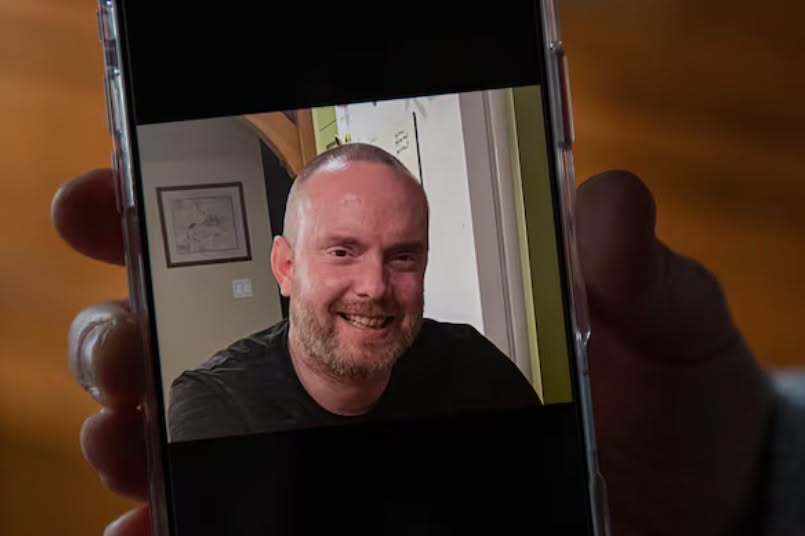
Pictured: Thomas Dillon, may he rest in peace.
The death of Thomas Dillon through Canada’s MAiD programme has intensified debate over the country’s euthanasia laws and the negative impact it’s having on vulnerable patients facing mental-health and social struggles.
Dillon, 45, from Ontario, who suffered from Crohn’s disease and depression, was assessed for euthanasia by Dr James MacLean outside a Tim Hortons coffee shop. On the day his life was eventually ended, MacLean met him again outside the same coffee shop and later drove him to a funeral establishment, where he administered the lethal medications.
The College of Physicians and Surgeons of Ontario has concluded that MacLean violated professional boundaries, with some of his actions potentially bordering on coercion.
MacLean has agreed to six months of clinical supervision following the College of Physicians’ decision. However, he is still free to practice medicine and assist people ending their lives through euthanasia. Dillon’s aunt, Megan Nichols, said: “I am horrified that the college has not stopped him from practicing. What does it take?”
MacLean and Dillon exchanged several text messages before the euthanasia occurred. In one, referring to Dillon’s family members – who opposed euthanasia and wanted to care for their brother – MacLean wrote: “You are the one ending your life and not them.”
Since being legalised in 2016 and later widened beyond the terminally ill, Canada’s euthanasia regime is responsible for close to 100,000 deaths, fuelling serious concerns that assisted suicide is becoming normalised, including for people with non-terminal illnesses.
Pope St JP2 summed the whole sorry mess up in 4 words,
The Culture of Death.
It’s not euthanasia, another euphemism, it’s legalised suicide.
The Culture of Death is alive.
Shocked reading this tragic outcome for Thomas. What a warm, friendly man he looked. No doubt a sensitive soul liable to feel mental anguish keenly. However ,despite the fact that his family offered love and support his life was disposed of much as a coffee cup is in the establishment near to where he met doctor death.